The ministry most of us never see
After spending two days with Elim's Ministerial Ethics and Conduct Board, Stuart Blount reflects on the people carrying one of the movement's most sensitive responsibilities.
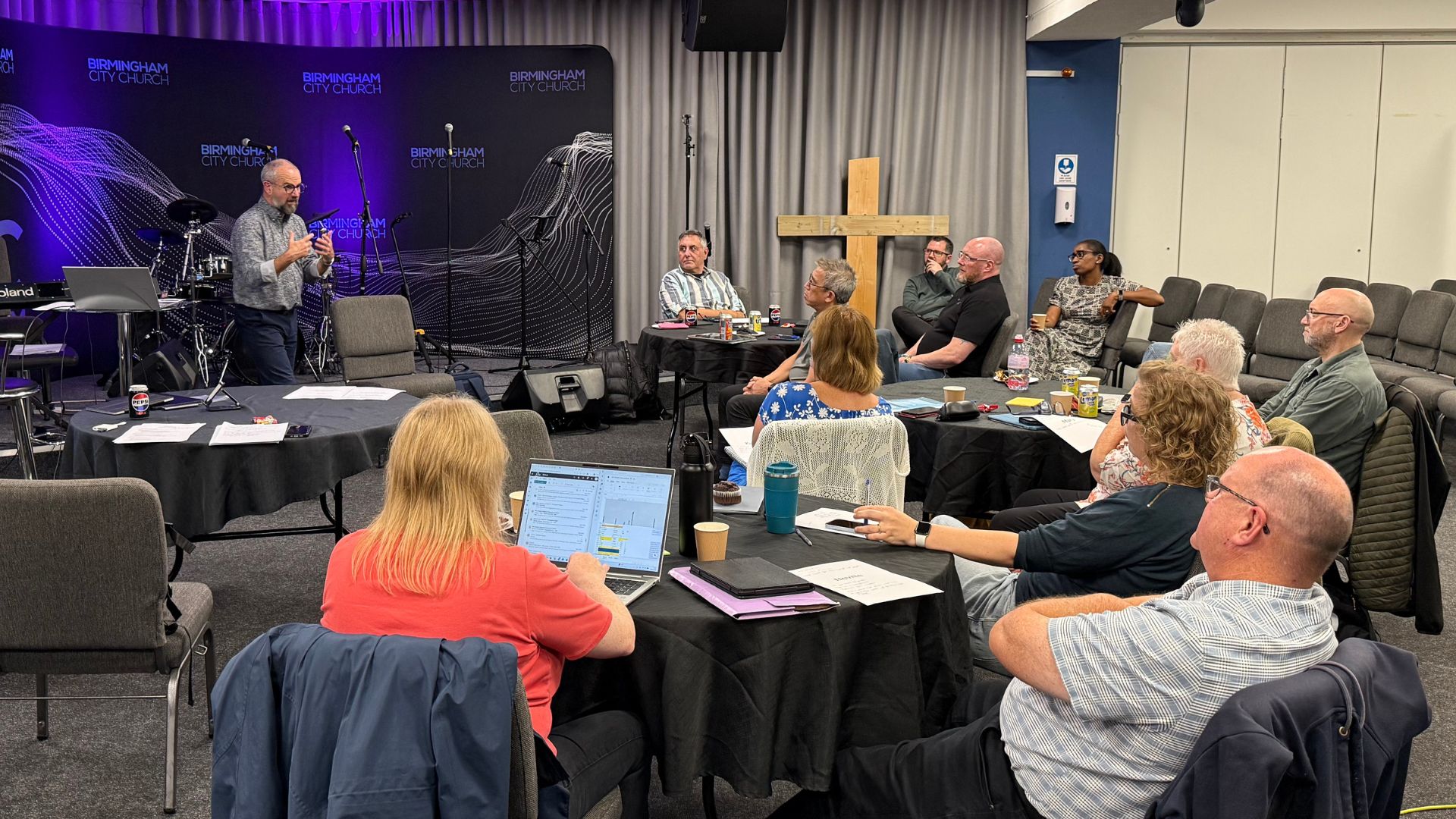
At the end of September, I spent two days in Birmingham with the men and women who serve on Elim's Ministerial Ethics and Conduct Board (MECB). I came away deeply moved.
Most of us will never see their work, and that is as it should be. When a concern is raised about a minister, these are the people who step in. They listen carefully to those who have been hurt. They treat the minister with fairness and dignity. And they hold before God churches that are often bruised and unsettled. It is quiet, demanding and often costly ministry, carried out in confidence and in prayer.
What struck me most over those two days was not the processes, important as they are, but the people. I watched experienced ministers and leaders work honestly at making every stage clearer, kinder and fairer. They talked about how to communicate with care, how to keep outcomes proportionate, and how to make sure pastoral support and prayer are offered to everyone involved.
Their question was never simply "What happened?" It was also "How do we bring healing here?"
I sat back at one point and silently thanked God that such significant moments in a minister's life are being led by people who really do care about their wellbeing, rather than simply maintaining a code of conduct.
Micah reminds us that the Lord requires us "to act justly and to love mercy and to walk humbly with your God" (Micah 6:8, NIV). I saw those things held together in that room. Justice without mercy can crush, and mercy without justice can leave people unprotected. This board carries both.
We also welcomed new members to the board, Moyo Atkins and Jamie Lavery, and I'm grateful for every person who has said yes to this calling.
Please pray for them. They serve in some of the hardest moments in the life of our movement, and they do it out of love for Christ and His church.
This article was first featured in the Your Elim newsletter. You can read the Your Elim newsletter here, and sign up to the newsletter here.