From sorrow to harvest: The story that didn't end in the Vumba
Forty-eight years on, Marty Davison travels to Zimbabwe to discover what grew from Elim's darkest day.
Every year on the Sunday closest to 23 June, Elim churches around the world mark Missions Sunday — a moment to remember, to give thanks, and to look forward. This year, as a new film brings the story of the Vumba Massacre to a new generation, Elim International Missions Director Marty Davison reflects on what he found when he returned to Zimbabwe — and the extraordinary fruit that has grown from the darkest day in Elim's history.
A day that changed everything
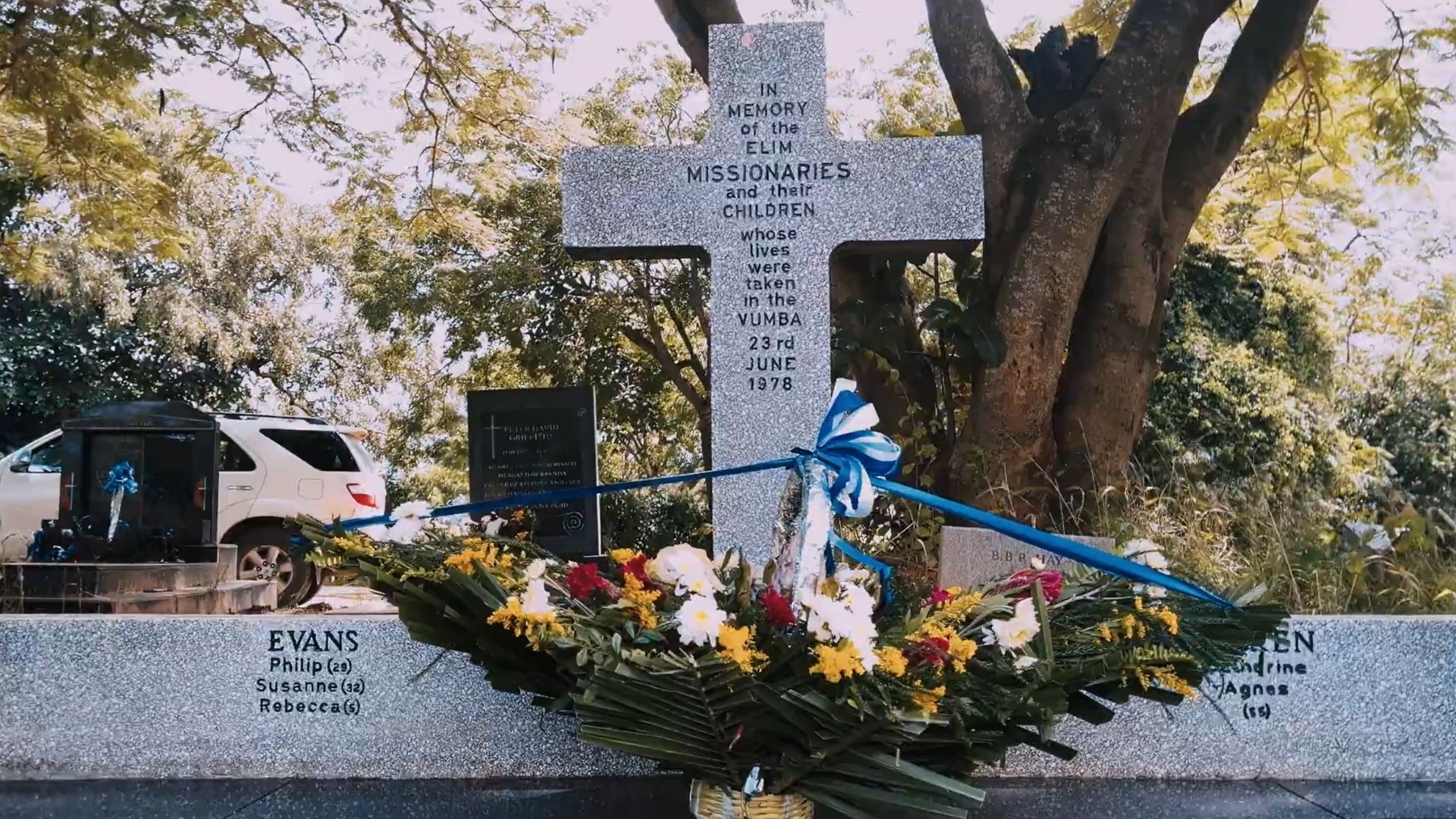
On the night of 23 June 1978, twelve people were killed at the Elim Mission station in the Vumba mountains of Rhodesia — now Zimbabwe. Eight British missionaries and four children, including a three-week-old baby girl. Three married couples, two single women, and the children they had brought with them to serve a nation. One more would die in hospital a week later.
Their names — Peter and Sandra McCann, Philip and Susanne Evans, Roy and Joyce Lynn, Wendy White, Catherine Picken, Mary Fisher, and the children Philip, Joy, Rebecca, and Pamela Grace — were entered into Elim's history not as casualties, but as martyrs.
The brutality of what happened in those mountains shocked the world. For Elim, it was, and remains, the darkest day the movement has ever known.
And yet. The story did not end there.
A journey back
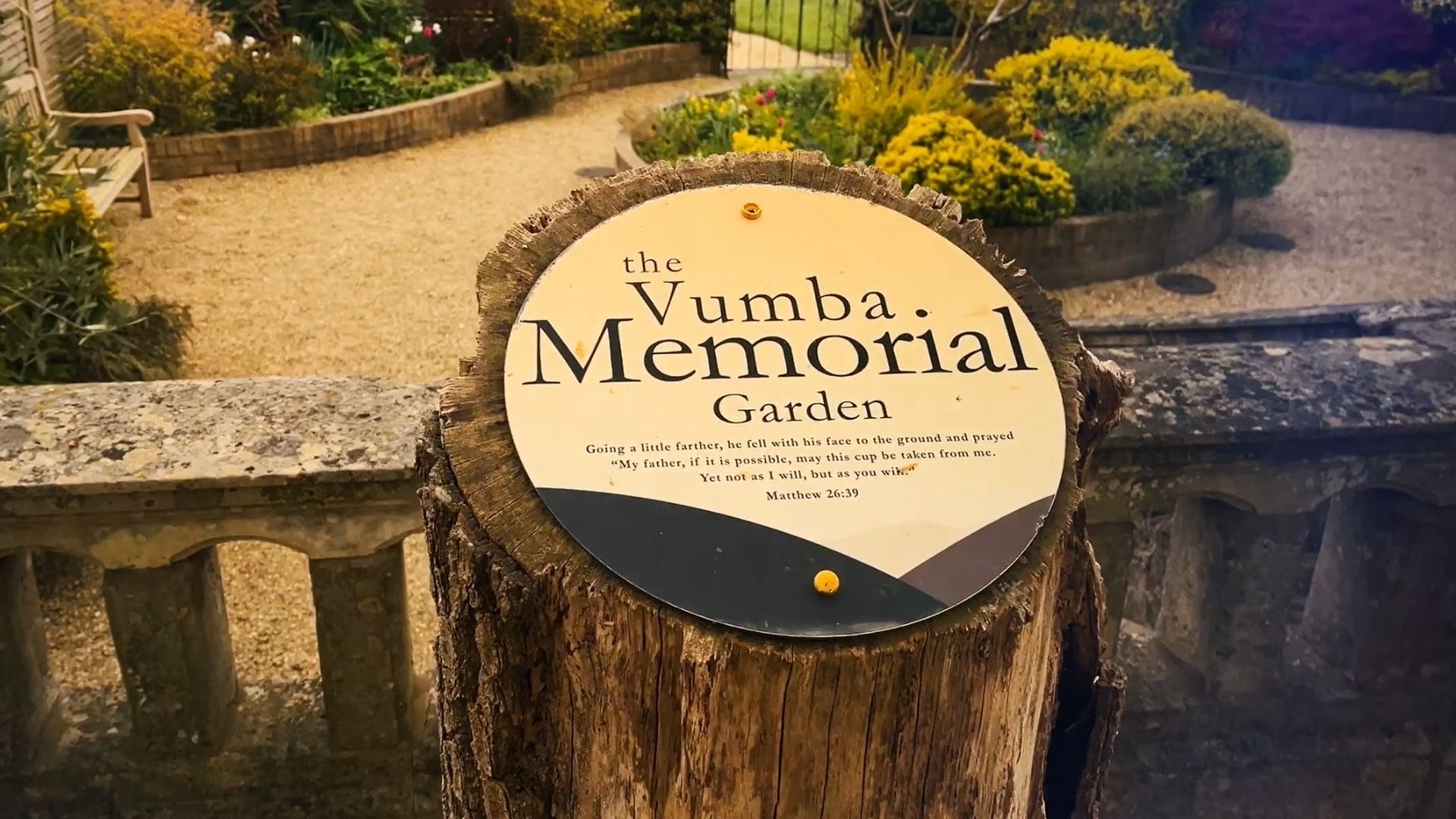
Earlier this year (March 2026), International Missions Director Marty Davison and Elim Missions Communications and Content Creator Jack Skett travelled to Zimbabwe — to the graves, to the mountains, to the schools and churches — to make a new film telling the story of the Vumba Massacre. But they went to also answer the questions about what has happened since.
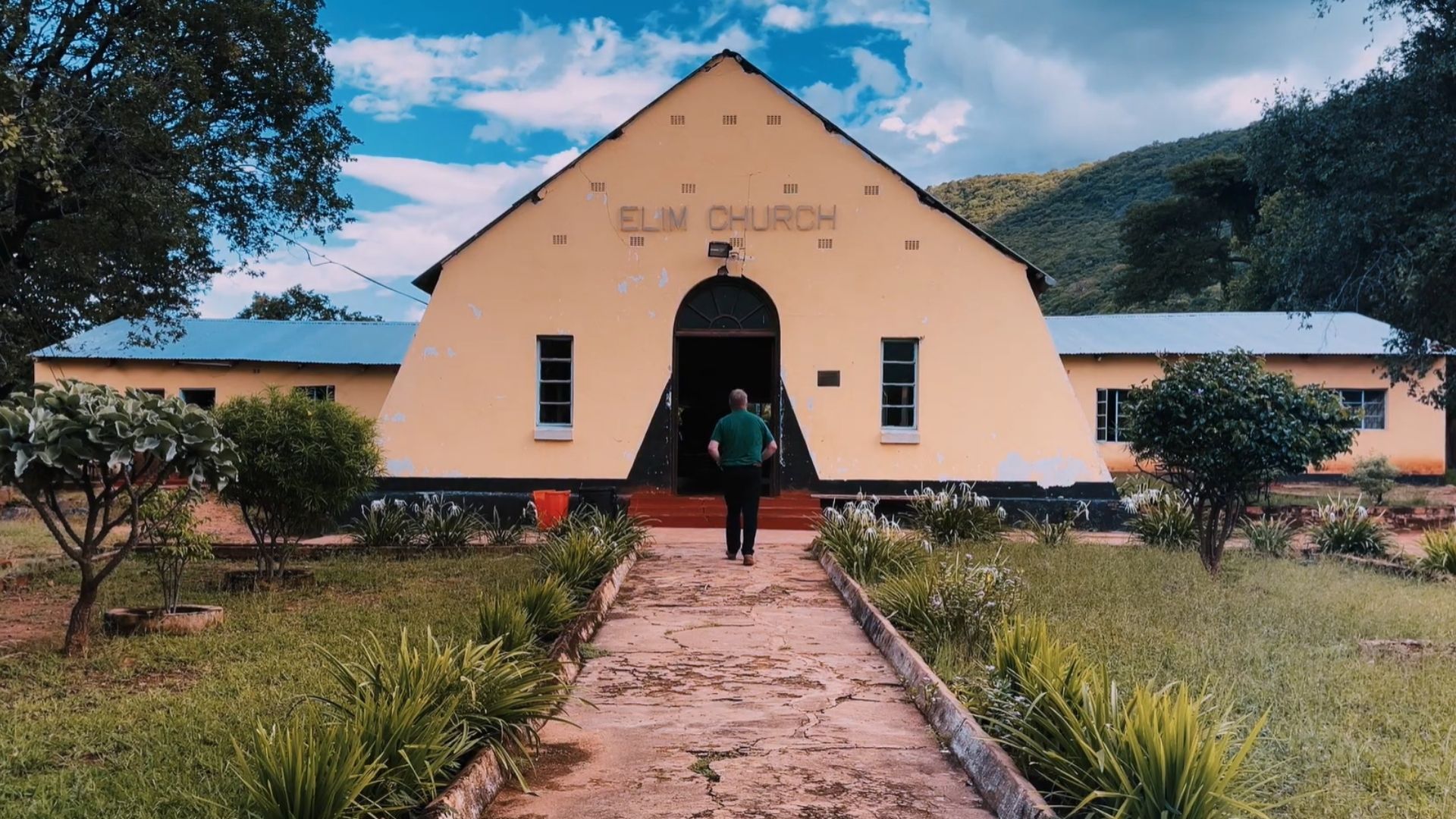
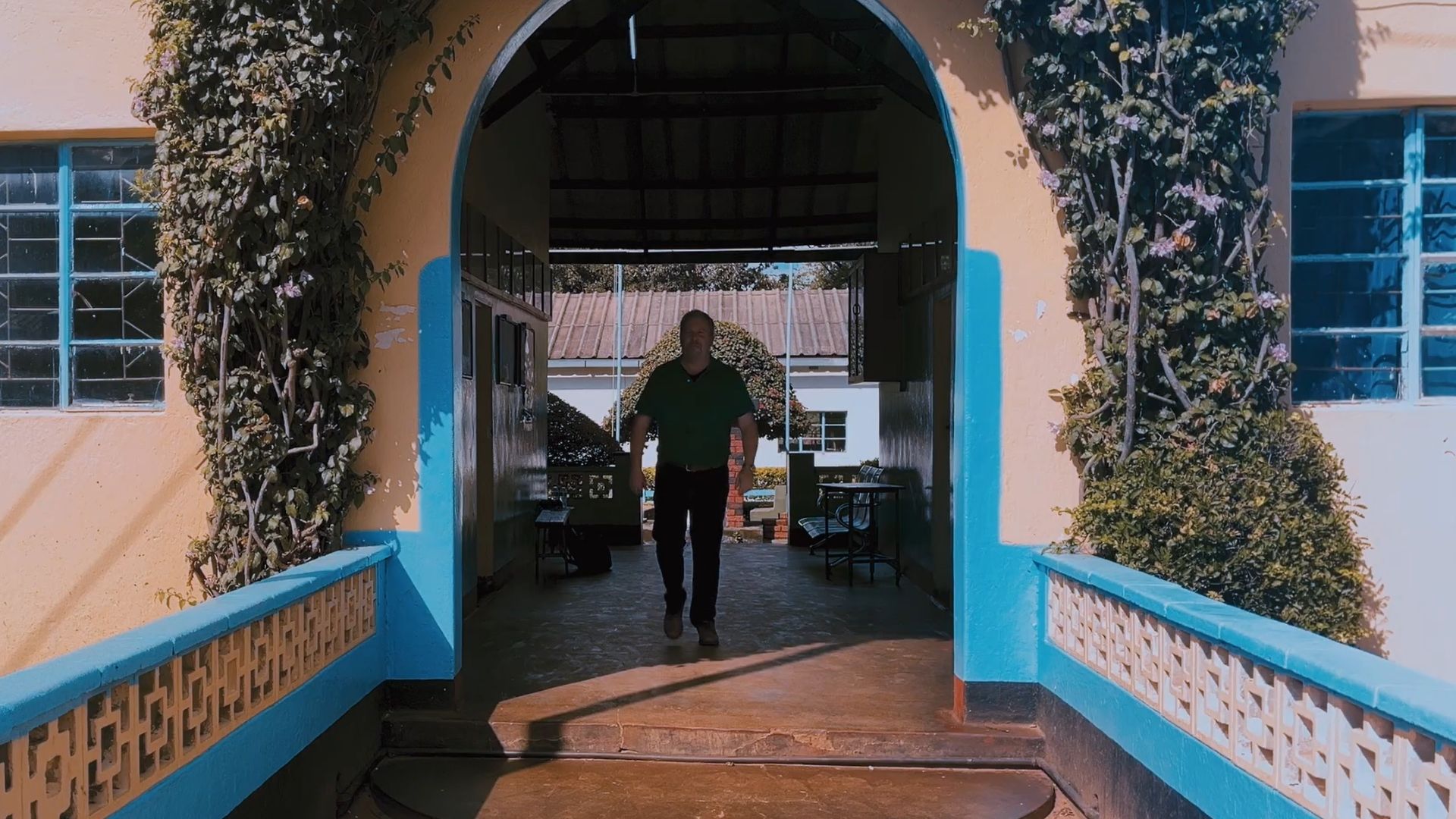
They laid flowers at the graves in Mutare, where the martyrs are buried. They visited Katerere — the original Elim mission station established in the 1950s, where Dr Cecil and Mary Brien built a hospital that to this day remains the only one for 80 kilometres. They walked the grounds of Emmanuel High School, founded in 1965, where many of those martyred missionaries once taught — a school which still stands, still serves, now educating 735 pupils through to A-Level. They drove up into the Vumba mountains themselves and stood at the viewpoints looking out across the border into Mozambique.
And they met the people God has been building his church through ever since.
Among those they encountered was a pastor who had been a student at Emmanuel High School on the night of the massacre in 1978 — a living link between the tragedy and the thriving movement it seeded. Another pastor they met, Pastor Shalom, is now serving as a missionary from Elim Zimbabwe into Mozambique. The church that was once the focus of mission is now sending missionaries of its own.
A grain of wheat
There is a passage of scripture that has become inseparable from how Elim understands the Vumba. Jesus said: "Unless a grain of wheat falls into the ground and dies, it remains alone. But if it dies, it produces much grain."
In his diary of this year's trip, Jack Skett wrote: "Today sums up the story of Elim Zimbabwe for me. The deep pain and trauma of June 1978 is still remembered here, but it has also served to galvanise the church for mission."
Wendy White, one of the martyrs, called out to her fellow missionaries as they were being killed: "Don't be afraid! They can kill our bodies but they cannot kill our souls." That faith — unbroken in the worst of moments — is the seed from which something remarkable has grown.
What grew in Zimbabwe
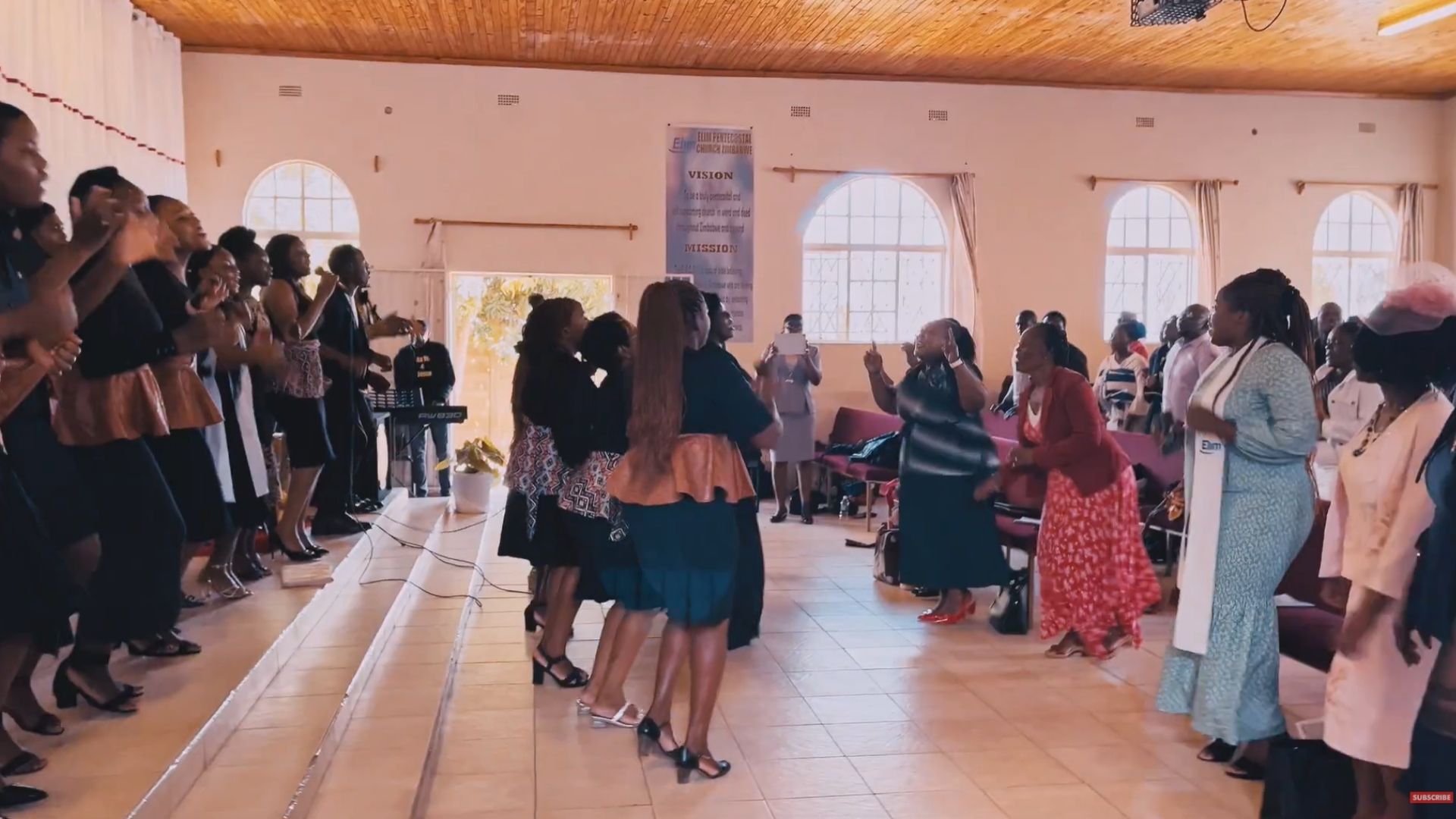
Elim Zimbabwe in 2026 is a movement that has spread to all but two major towns in the country. Under the leadership of Pastor Andrew Mautsa, General Overseer of Elim Zimbabwe, churches are being planted, communities are being served, and the vision is expanding. Missions work has already been established in Mozambique. Plans are in place to reach into Namibia.
At Penhalonga, a mission station founded in 1949 runs a primary school that has served the community since 1952 — more than 200 pupils, from the earliest years through to primary school age. At Katerere, the hospital built by Elim missionaries continues to treat patients, perform surgeries, and serve a vast rural population. The footprint of those missionaries — their schools, their hospitals, their churches — is still there, still growing, still bearing fruit.
What Marty and Jack found in Zimbabwe was not a nation defined by the loss of 1978. It was a nation alive with what that loss produced.
Remembering — and going further
This Missions Sunday, held on Sunday 21 June 2026, Elim churches are invited to show the new film as part of their morning service. It moves from the graves in Mutare to the churches being planted across Zimbabwe — and ends with Marty speaking directly to every person watching.
His words are simple, and they carry the same spirit that took those missionaries to the Vumba in the first place:
This is your story too
The Vumba Massacre is not only a chapter from Elim's past. It is the foundation of Elim's present — and a signpost towards Elim's future. The church in Zimbabwe is a living answer to the question of whether sacrifice means anything. It does. The harvest is real. The work continues.
This Missions Sunday, wherever you are in the world, you are part of this story. You are invited to remember, to give thanks, to pray, to give, and to go.
The grain fell. The harvest is extraordinary. And it is not finished yet.
Watch the Film
The new Elim Missions short film about the Vumba, presented by Marty Davison, International Missions Director, is available to watch below.
Hope from tragedy: The story of the Vumba Massacre
Take the Next Step